The smalltalk website is not compatible with Internet Explorer. Please use a modern browser such as Chrome, Firefox, Edge, or Safari for the best experience.

How smalltalk supports families
Young children learn through their relationships, interactions and everyday experiences. Talking, listening, playing, reading and sharing daily routines can all support children’s social, emotional, language and thinking skills.
smalltalk helps parents and carers recognise the positive things they are already doing and discover new ways to build on them. The strategies are designed to fit into everyday family life without requiring special equipment, extra activities or large amounts of time.
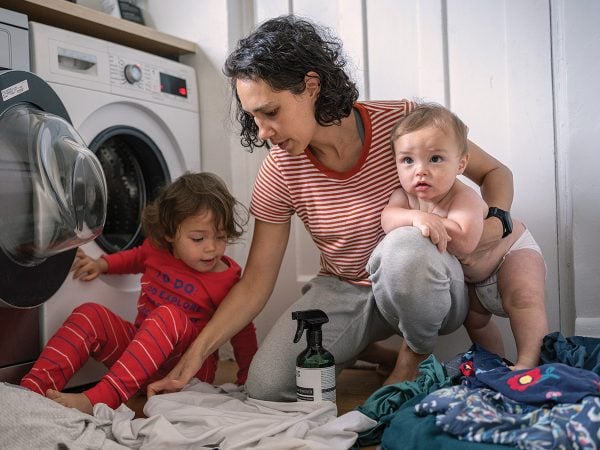
What families experience
Recognising what is already working
smalltalk takes a strengths-based approach. Parents are supported to notice the ways they already help their children learn, communicate and feel secure.
Trying practical strategies
Parents explore simple ideas they can use while playing, reading, talking or moving through daily routines. Facilitators model the strategies and help parents find approaches that suit their child, family and circumstances.
Building confidence
By practising the strategies and reflecting on their child’s responses, parents can develop greater confidence in supporting their child’s learning and development.
Support that fits family life
Families can experience smalltalk through parent–child groups, supported playgroups, home coaching and other early childhood or family support services.
In group settings, parents can explore smalltalk strategies alongside their children, see ideas modelled and learn through shared activities and conversations.
Home coaching offers more individual support. A trained practitioner works alongside the parent in their own environment, helping them adapt and practise strategies within the routines and interactions that are part of their daily life.
The difference smalltalk can make
Case study: Making shared reading part of family life
A parent taking part in a smalltalk group had not previously read with her child. She had found reading difficult when she was young and did not enjoy it herself.
Through conversations about reading together, and seeing it modelled in the group, she discovered that her daughter enjoyed sharing books.
The parent began introducing a bedtime reading routine, creating more opportunities for talking, listening and connection. The experience helped her recognise the important role she could play in supporting her child’s language development through an everyday activity.
Learn more about smalltalk
Explore the research behind smalltalk and the outcomes observed for parents and children, or learn how smalltalk could be delivered in your service or community.